
Bondo, Siaya County, Kenya — February 27, 2026
Community leaders in Siaya County have called for greater transparency and public education on Kenya’s nuclear energy plans, warning that misinformation and unresolved community concerns could undermine public trust in the project.
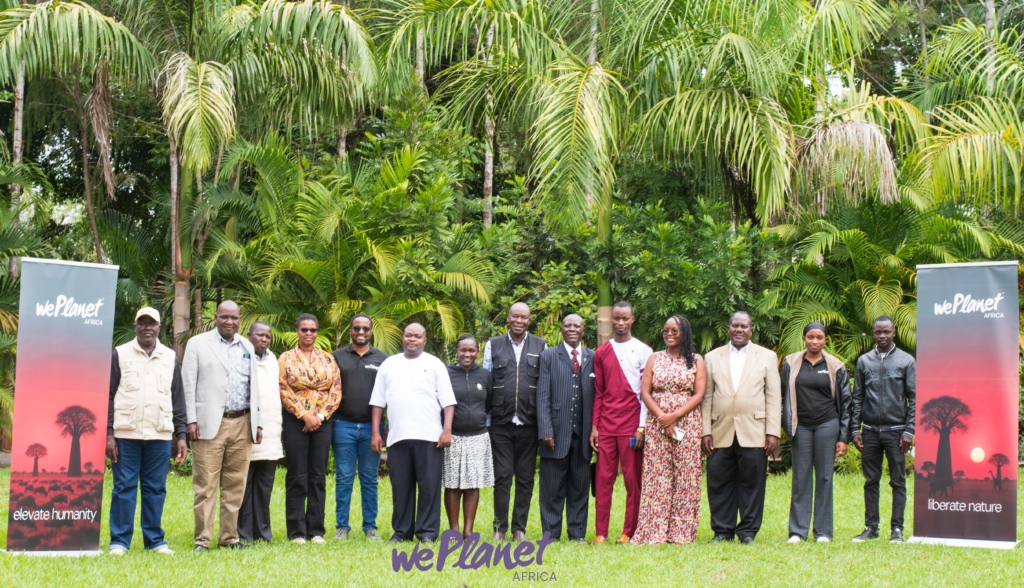
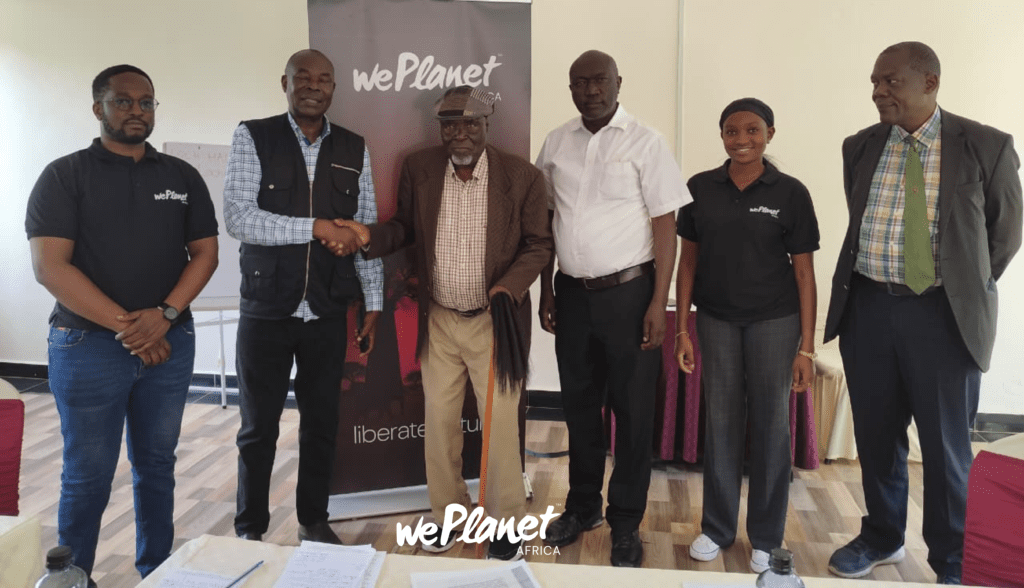
The concerns emerged during a community listening session convened in Bondo by WePlanet Kenya, which brought together local leaders, academics, religious figures, and representatives from the fishing industry to discuss the region’s energy challenges and the possibility of hosting a nuclear power plant.
Participants described a worsening electricity crisis that is disrupting businesses, education, and daily life across the county.
Residents reported experiencing power outages of up to eight hours a day—equivalent to nearly three months of lost electricity each year.
Local stakeholders said the unreliable power supply is trapping small businesses in low productivity cycles and interrupting lectures and examinations at Jaramogi Oginga Odinga University of Science and Technology (JOOUST). Many households have also turned to charcoal and firewood for cooking, contributing to respiratory health problems and deforestation.
The meeting drew 25 participants representing a cross-section of the community, including the Ker (Luo Council of Elders), local chiefs, bishops, university officials, youth representatives, and women leaders.
While some participants acknowledged that nuclear energy could provide reliable, low-carbon electricity for the region, the discussions revealed significant fears and misconceptions surrounding the technology.
Identified Risks and Misconceptions
While nuclear energy is recognized as a low-carbon baseload solution, significant concerns persist, often fueled by misinformation:
- Safety & Health: Fears regarding radiation-induced cancer and infertility.
- Security: Misconceptions equating nuclear power plants with atomic weaponry.
- Cultural: Potential trauma associated with the relocation of ancestral graves.
Participants emphasized that addressing these fears will be essential if the project is to secure community acceptance.
Organizers said the listening session was designed to create a direct feedback channel between local communities and stakeholders involved in Kenya’s long-term energy planning.
“This dialogue is about establishing the ‘Conditions for Support,” stated Prof. Charles Ngome, wePlanet Kenya’s board chairperson. “We are documenting everyone’s fears, including the fishermen and the students alike, to ensure transparency is not an afterthought.”
The dialogue concluded with a recommendation to establish sustained community engagement programs focused on nuclear literacy and cultural heritage considerations.
Participants noted that early, transparent engagement will be essential to building public trust and ensuring communities are fully informed as Kenya explores nuclear energy as part of its future power mix.