
Peter Gichuki
NAIROBI – Kenya’s move toward nuclear power has entered a more concrete phase following the government’s announcement that the Kenya Electricity Generating Company (KenGen) will operate the country’s first nuclear power plant. The directive by the Cabinet Secretary for Energy and Petroleum, Opiyo Wandayi, formalizes the transition from planning to an implementation pathway intended to support long-term energy security.
The decision was formalized through a Memorandum of Understanding between KenGen and the Nuclear Power and Energy Agency (NuPEA). The partnership combines KenGen’s operational experience in geothermal and hydroelectric production with NuPEA’s regulatory and research mandate. Current plans outline an initial development of about 2 GW of nuclear capacity, with a long-term ambition to expand to approximately 6 GW.
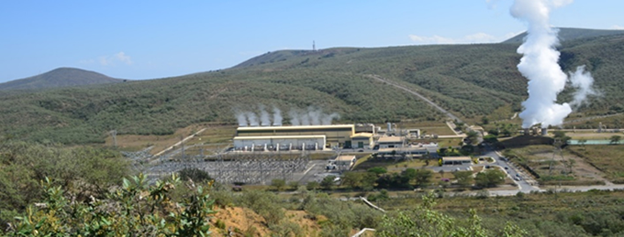
Kenya’s energy system has historically depended on weather-sensitive sources. Hydropower and Geothermal make up significant shares of the generation mix. Yet, both face challenges during prolonged droughts or seasonal variability. Nuclear power is a source of steady, dispatchable capacity that can stabilize the grid and provide reliable support for industrial activity.
If successful, the project could shift Kenya’s long-term energy trajectory by diversifying the generation portfolio and supporting emerging sectors such as electric mobility and digital services. Local economic opportunities may arise through construction, specialized training, and supply chain development. Yet these benefits will depend on transparent governance, clear communication with communities, and alignment with broader national energy planning.
The designation of a seasoned operator signals that a nuclear future for Kenya is no longer a question of “if,” but “when.” This commitment positions Kenya on a path to becoming a regional energy hub, capable of supporting advanced digital industries and electric mobility networks. The timeline for the first kilowatt to connect to the grid extends over several years. The outcome will rely on the country’s capacity to manage technical, financial, and social dimensions of one of the most significant infrastructure undertakings in its history.