
By Patricia Nanteza
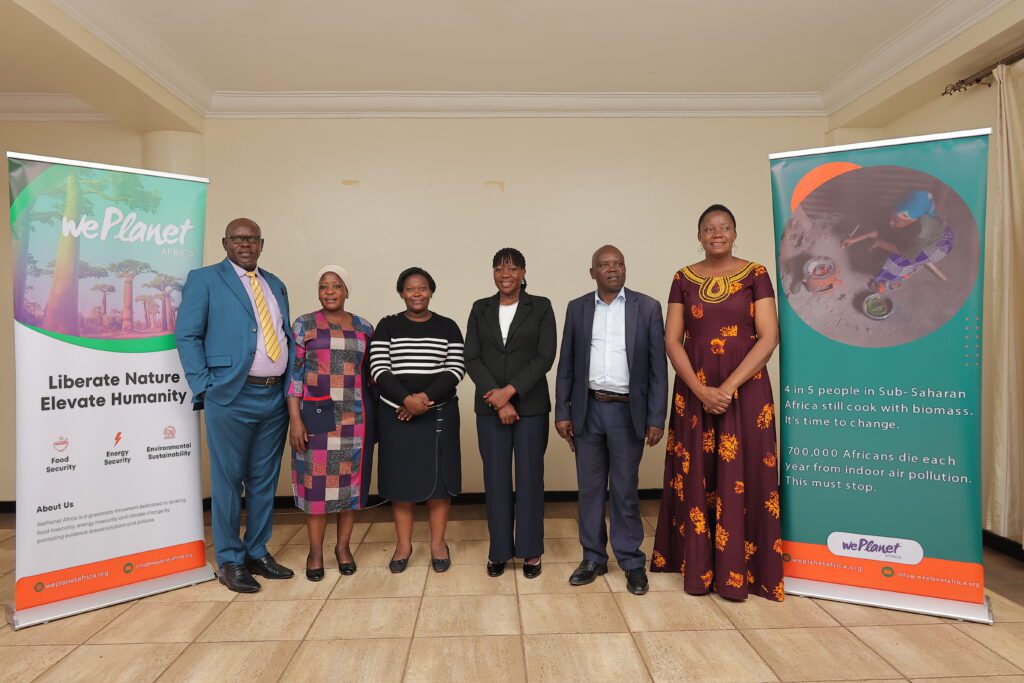
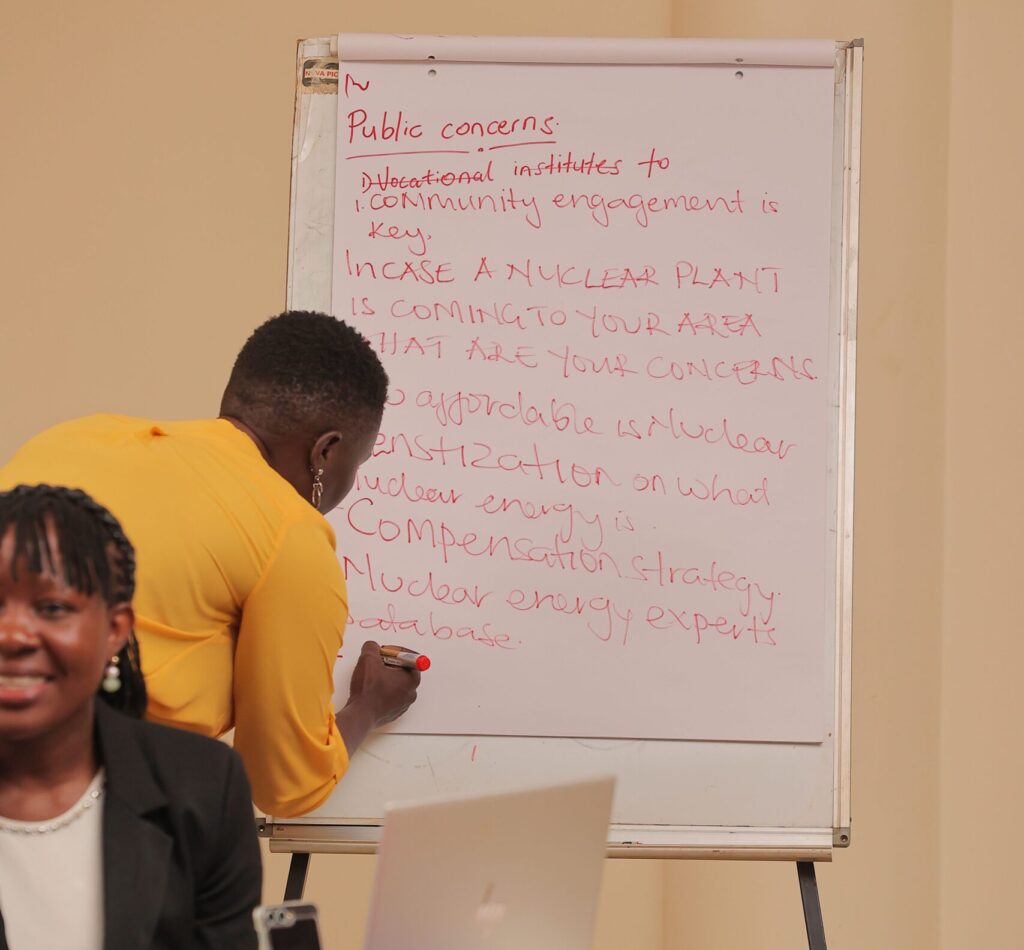
When we convened a select group of Members of Parliament, local government leaders, community voices, and technical experts in Kampala to discuss nuclear energy, I expected resistance.
What we encountered instead was far more complex and important. People are not rejecting nuclear energy; they simply want their concerns considered.
In Buyende, where Uganda’s first nuclear power plant is proposed, the primary concern is fair market compensation. Hon. Kanaku, the outgoing LC5 Chairman of Buyende District, highlighted the cost of delay: “Farmers are unsure whether to plant. Families are unsure whether to construct new houses or not because they have waited for compensation, and the wait is never-ending.” Lives are, quite literally, on hold while waiting for clarity on payment timelines.
Safety
Others spoke of safety and radiation; of what they have heard versus what they have been unable to verify. In the absence of accessible information, communities will find answers from whichever source, whether it is the right information or not. This is how myths proliferate and take hold.
Opportunity
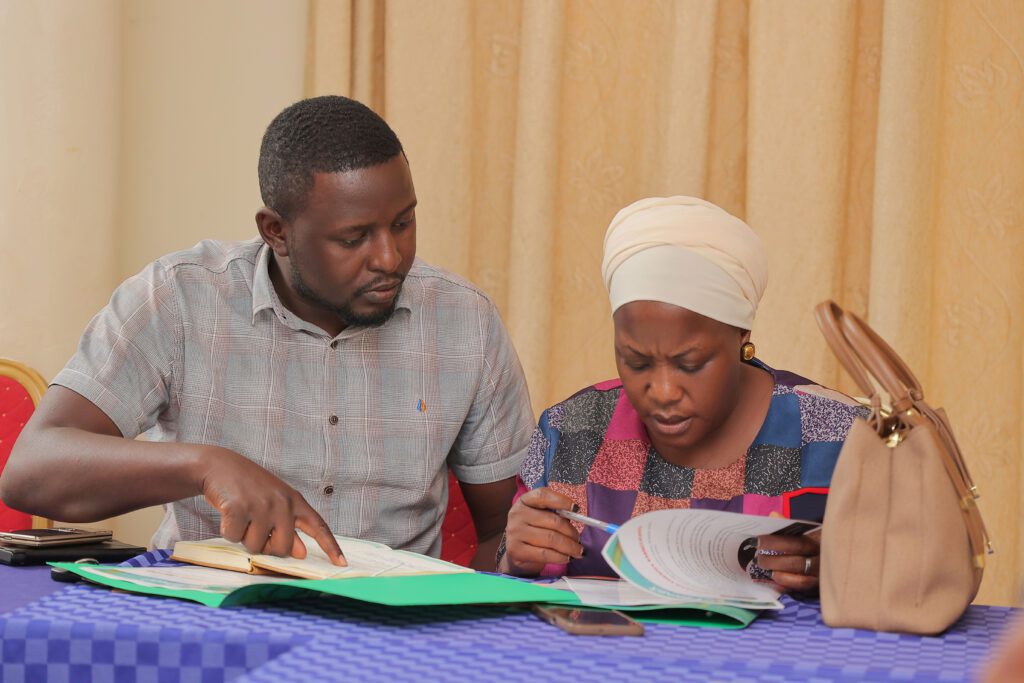
Then there were questions of opportunity: Will local people benefit? Will our children receive scholarships for nuclear engineering, as they did for petroleum studies, for people in Bunyoro? Why is the Nuclear Center of Excellence not located at a university in our own Busoga region?
These are not the questions of a population in opposition; they are the questions of a population that wants to understand and be included.
Uganda’s nuclear ambitions are a social journey, not just a technical one. Like all major national projects, success depends on whether people feel seen, heard, and part of the future being built. That is why we at WePlanet Uganda chose to start with listening, not telling, because you cannot design engagement for people you have not taken the time to understand.
Ugandans are not anti-nuclear
But let one thing be clear – Ugandans are not anti-nuclear energy. They are not pro-nuclear energy either. People want affordable, stable electricity for homes and industry, jobs for their children, and timely compensation for the project-affected persons.